- 2341 Meredith Ln Santa Maria, CA 93455
- Mon to Fri - 7am to 4pm
All services
Essential Backflow Certification and Repairs in Santa Maria
At Zierman Plumbing & Heating, we offer backflow certification, backflow inspection, and backflow testing services to residents and businesses throughout the Santa Maria and Five Cities area.
Protect Your Property With Professional Backflow Services
As a full-service plumbing and heating company with decades of experience, we understand the importance of proper backflow prevention. We are dedicated to ensuring your plumbing system meets all local and state regulations, safeguarding your property and the surrounding community from the dangers of backflow contamination.
Why Backflow Certification Matters
Backflow is a serious issue that happens when the normal flow of water is reversed, allowing contaminants to be drawn back into your water supply. This can happen for several reasons, from changes in water pressure to faulty equipment. When backflow occurs, everyone who relies on that water source is at risk of exposure to harmful bacteria, chemicals, and other pollutants.
That’s why backflow certification is not just a good idea – it’s a legal requirement for many businesses. Our backflow certification services help protect the health and safety of your family, customers, and your community.
Our Backflow Services
When you choose us for your backflow certification, backflow inspection, and backflow testing needs, you’re partnering with a team that provides exceptional service and excellent results. We offer:
- Expertise and certifications
- Personalized attention
- Exceptional customer service
- Commitment to safety
Backflow Certification
Our certified backflow technicians will perform the necessary backflow testing and provide you with a detailed report documenting their proper functioning. We’ll ensure your system complies with all regulations, giving you peace of mind and protecting your property from fines or shutdowns.
Backflow Inspection
Regular backflow inspection is crucial for maintaining the integrity of your water supply. Our experts will examine your pipes to pinpoint the reason you may be experiencing backflow.
Backflow Testing
Ensuring your backflow prevention devices are working correctly is essential for safeguarding your water supply. Our team will perform thorough backflow testing to verify that your system is working correctly.
Backflow Repair
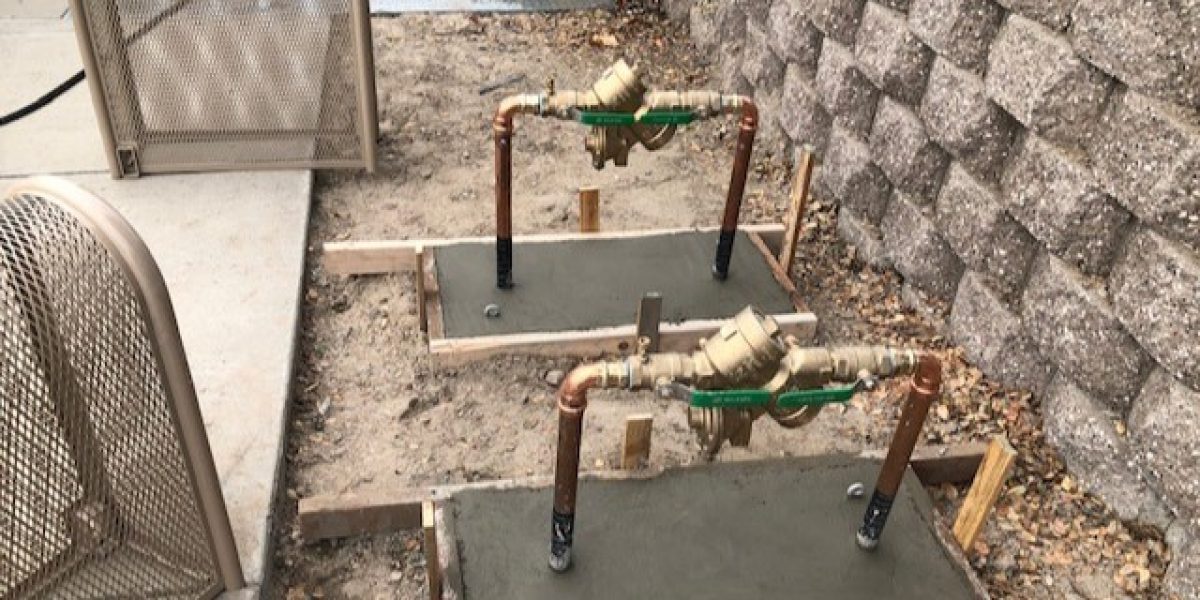
If your backflow prevention devices are not working properly, we can help. We’ll identify the issue and offer speedy backflow repair services to return your system to full functionality.
How Backflow Services Work
Step 1: Book an Appointment
To get started, give us a call or fill out the contact form on our website to schedule a convenient time for your backflow certification, backflow inspection, or backflow testing service.
Step 2: Inspection and Testing
On the day of your appointment, our certified backflow technicians will thoroughly inspect and test your backflow prevention devices.
Step 3: Report and Recommendation
After the inspection, we’ll provide a full report detailing the condition of your backflow prevention system. If any areas of concern are found, we’ll offer our professional recommendations.
Cost of Backflow Services
Protecting your water supply shouldn’t break the bank — that’s why we offer our customers affordable solutions that never compromise on quality or safety.
Protect Your Water Supply Today
Contact Zierman Plumbing & Heating today to schedule your backflow certification, inspection, or testing services.
More Certified Technicians for Your Backflow Testing Needs
Zierman Plumbing & Heating has added two new certified backflow technicians to our team. We’re proud to provide backflow testing, certification and repair services throughout Santa Maria and surrounding communities.
Our team focuses on accurate testing, clear reporting and reliable service. We provide upfront pricing and stand behind our workmanship.
Need help meeting a testing deadline? Call (805) 928-2511 to discuss availability.
Frequently Asked Questions
How quickly can Zierman schedule backflow testing?
Scheduling depends on technician availability. Contact our team to discuss your deadline and the next available appointment.
Are your backflow technicians certified?
Yes. Our team includes certified backflow technicians, including two new additions.
What happens if my backflow device fails testing?
We’ll explain the test results and recommend appropriate repairs. Retesting may be needed to document compliance.
Is backflow testing guaranteed?
We stand behind our work and provide clear test documentation. Certification depends on the device passing applicable testing standards.