Latest Plumbing & Heating News

how to save water
14Dec

Tips on How to Conserve Water

Here at Zierman Plumbing, we fully understand the importance of finding ways to conserve water, and we’ve come up with a short list of things you can do to help, especially as the warmer months approach and the demand for water consumption increases. Not only will these recommendations help to ease the burden in our drought-stricken state, they’ll also help to reduce your water costs.

Continue Reading
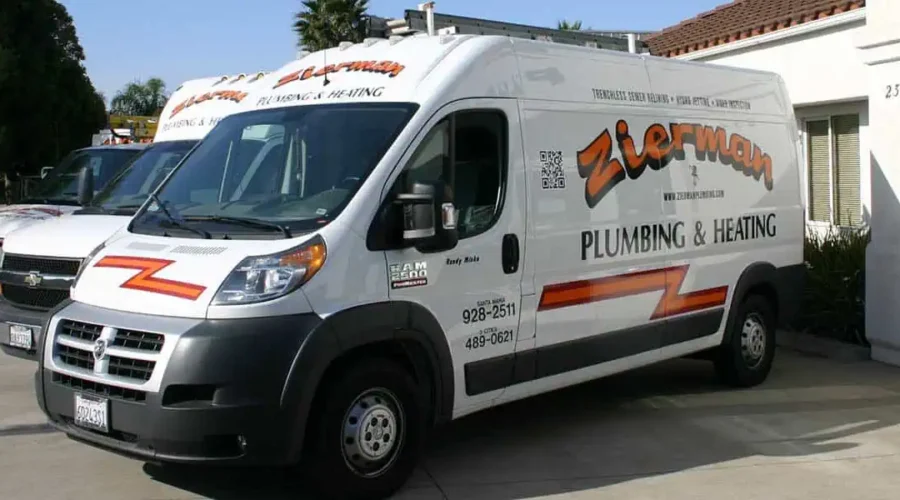
Zierman Plumbers van
31Oct

How to Find the Right Plumber

Every homeowner needs a plumber that they can trust, but finding one isn’t always an easy task. First time and veteran homeowners alike often struggle to find the right person for the job. Whether it’s finding a plumber near you, determining if they have the proper qualifications or understanding the risks of using an unlicensed plumber, learn from the professionals!

Continue Reading
Water heater maintenance near me
14Sep

What is a Drain Stack in Plumbing?

Did you know that there’s a vertical pipe that spans through your home that serves as the central channel for your entire plumbing system?

Continue Reading
emergency plumbing repair
6Aug

What Are The Risks of Using a Plumber Without a License?

As a licensed plumbing contractor ourselves, we understand the level of knowledge involved in maintaining our licensed status and we’re going to give you a brief breakdown of the risks involved in hiring an unlicensed plumber.

Continue Reading
how to save water
23Jul

Plumbing Tips and Tricks

Here are five plumbing tips to save you from any plumbing mishaps around the house.

Plumbing issues happen all to often and when they do, it seems like you life is at a stand still until you get it figured out.

Continue Reading
Hard vs Soft Water Explained

Hard water is simply water containing minerals such as calcium and magnesium.

Soft water is treated, filtered water containing no minerals except for sodium.

Water from rainfall is naturally soft. As rainwater filters through the Earth and into our drinking water supplies, it naturally picks up certain minerals. These minerals are ,for the most part, essential and are sometimes preferred over soft drinking water. Some mixtures of hard water also tase better!

So Why Do We Soften Our Water?

Tap water is not normally used for drinking – it’s main use is for cleaning. Hard water is the main culprit for smudged looking glassware, mineral buildup around our faucets, and the scum that accumulates around your bathtub. Even taking a shower in hard water can be a bit less pleasant that soft water. Hard water can also be less energy efficient by making your dishwasher and washing machines work harder.

Soft water is a dream for those who like cleaning their homes. Soap lathers better in soft water, and there is much less buildup around the house to have to clean up in the first place. Even your clothes and skin will feel soft.

How Do You Get The Advantages of Both Hard and Soft Water?

Soft water is not recommended for those who need to watch their sodium and need to supplement other lifesaving minerals into their diets. The softening process adds sodium into the water and removes all other minerals.

You can combat the sodium in soft water by reverse osmosis, distillation, and deionization.

How Do You Know If You Have Hard or Soft Water?

The degree of hardness standard as established by the American Society of Agricultural Engineers (S-339) and the Water Quality Association (WQA) is:

Degree of Hardness Grains per Gallon (gpg) ppm (or mg/L)
 Soft <1.0 <17.0
Slightly Hard 1.0-3.5 17.1-60
Moderately Hard 3.5-7.0 60-120
Hard 7.0-10.5 120-180
Very Hard >10.5 >180

Heat Pump vs. Furnace: Should You Opt For Natural Gas or Electricity to Heat Your Home?

If you’re looking for the best heating unit to keep your home warm, there are several options on the market. One of the classic options is a furnace, which uses a natural gas flame to heat air and then spread that hot air around your home. If you want to go super “old school,” there’s also always a wood-burning stove.

heat pump vs furnace

Another option, however, is a heat pump. Heat pumps are like reverse air conditioners, drawing heat from outside and converting the heat into indoor warmth. If you’re looking to install a new heating system, which one works best for you? First, you need to ask yourself some questions.

Should I Use an Electric Heat Pump or Natural Gas Furnace?

While furnaces usually run on natural gas, heat pumps run entirely on electricity. While neither is “better,” each one can provide benefits based on your own needs. Some areas of the United States may not have easy access to natural gas, making an electric heat pump a more desirable option.

Other areas may have very high electricity rates, making a gas furnace seem like a better idea. Take a brief look at your energy options: do you have access to natural gas and electricity? Which one is more costly for you? There is also the danger of carbon monoxide to consider. When natural gas or oil burns within a furnace, it produces carbon monoxide.

While furnaces have mechanisms to filter out carbon monoxide, they can still leak this dangerous gas when old or broken. Gas-burning furnaces, or anything that burns gas, can also pose a fire risk due to the internal flame.

Finally, burning fossil fuels is also harder on the environment, and is itself a limited resource. These issues can be entirely avoided by relying on electricity through your heat pump.

What Kind Of Climate Do I Live In?

Another factor to consider is your climate. Heat pumps were actually originally designed for the coastal United States, especially California. Because they draw heat from outside, heat pumps only truly work at temperatures above freezing, and they work best at temperatures above 50 degrees Fahrenheit.

A heat pump is perfect for those chilly California winters where your toes are cold at night, but there’s no ice hanging from your doorway. If you deal with snow, icy temperatures, or anything below freezing, a furnace is the better choice.

Is a Heat Pump More Efficient?

Overall, heat pumps can be more efficient and less expensive than a gas-burning furnace. They also avoid the danger of carbon monoxide, pose less of a fire risk, and don’t use fossil fuels.

Because they use the same technology, heat pumps can sometimes even be converted to work as air conditioners, saving you an extra bit of hardware! However, they aren’t designed for everyone—if you experience below freezing temperatures or if you have high electricity rates, a heat pump may not benefit you.

Over at Zierman Plumbing and Heating, we would be happy to work with you and discuss the pros and cons of a heat pump or furnace. We can look at the needs of your home, the climate you’re in, and your gas or electricity rates. From there, we can help you pick the system that best fits you. Call us today to get started!

Is Your Heater or Furnace Ready for the Cold Season?

Here in California, we don’t tend to use heaters and furnaces for most of the year. In fact, other than those couple months in the middle of winter, your furnace or heater may go entirely untouched. That may mean saving on heating costs, but it can also lead to several other issues. When your heater sits for that long, it may have problems that you’re not aware of. Here are some problems that a heater may accumulate after months of being unused:

1. Fire Hazards

When you leave anything alone in a home for too long, it starts gathering dust. Dust, debris, spider webs (and spiders!), and other material can gather inside your heater. Check your return and supply vents for dust and webs, and see if any dust has built up on the heating components themselves. Usually, you can wipe these down yourself. Be sure to do this before you turn the heater for the first time. Otherwise, your home will smell a little “burnt” as your heater burns off all of that dust and debris! Even above that, debris could also catch fire, which is extremely dangerous.

2. Carbon Monoxide

Carbon monoxide is called the “silent, cold weather killer.” Carbon monoxide is a gas that is produced when fuels are burned. Your stove, furnace, water heater, etc. can produce carbon monoxide, though usually in small, safe amounts. However, an old, poorly ventilated, broken, or improperly maintained furnace can produce dangerous levels of carbon monoxide. The Center for Disease Control recommends installing a carbon monoxide detector. They also recommend an annual maintenance check for your furnace or heating system. This gas can kill, and infants and the elderly are particularly at risk. Be sure to safeguard your home today.

3. Obstructions

Does your garage always seem way too full? In warmer seasons, it may seem tempting to fill up all that extra space near your furnace with beach chairs, old boxes, furniture, and more. It’s so easy to forget about that pile of stuff before you turn your heater on. Obstructions in front of your furnace, especially flammable ones, can be very dangerous. They can catch fire, or stop your furnace from working properly. Be sure to remove anything within a couple feet of your heater before turning it on this season.

This season, beat the rush when it comes to your heater maintenance. Don’t wait until the coldest day of the year to get your furnace checked. Instead, get your annual check today, before you’re left out in the cold! Be sure to install your carbon monoxide detector, remove obstructions, and remove any dust that you can see. Then, call Zierman Plumbing today for your professional heater and furnace maintenance. We will examine all heater and furnace components, make you aware of any issues, and do a full cleaning of your appliance. We will also ensure proper ventilation, and that all parts are in full working order. We’re expecting a lot of heater repair and maintenance calls once it gets colder, so be sure to beat the rush by calling today!

Everything You Need to Know about Trenchless Pipes

Have You Heard of the “Pipe Within a Pipe”?

While the average person may have a basic understanding of the plumbing and pipes underneath their home, not everyone has heard of pipe relining. Though the process was invented over forty years ago in London, England, pipe relining is something of a new technology used in the plumbing world.

Trenchless Pipe Relining

Also called trenchless pipe relining or cured in place piping (CIPP), this method is a huge new opportunity for any homeowner. While no one ever wants a broken or leaking pipe underneath their home, it’s an even bigger headache when you have to dig up your entire yard (and maybe even government sidewalks!) just to get it fixed. In traditional repiping, you might lose all of your landscaping—not to mention tens of thousands of dollars.

However, trenchless pipe relining changes everything. Instead of digging up an entire yard to replace a broken pipe, one of our expert plumbers would only have to dig a small access hole. From there, they feed a thin epoxy lining throughout your entire pipe system until it overlaps your broken, corroded or leaking areas. Then, using hot water, steam, or UV light, they cure the epoxy until it hardens. This creates a “pipe within a pipe” that is safe, strong, and long-lasting. These epoxy pipes only decrease your pipes’ diameter by a fraction of an inch, meaning that you don’t face a high risk of future clogs or blockages.

Because of their technological advancement, pipe relining materials are generally more costly than traditional PVC pipes. However, the entire process of trenchless pipe relining is often less expensive than the traditional method. It can cost thousands of extra dollars for the labor, time, and tools used to dig large trenches around all of your underground pipes. If your pipes extend even a little bit past your home, this can also mean paying large fees to dig up sidewalks or to redirect neighborhood traffic. Overall, many homeowners have found that trenchless pipe relining saves them a lot of money—and a ton of time—compared to the old way of replacing a pipe.

The patent for pipe relining was only made available to companies like Zierman in 1994, and we were quick to use this amazing new opportunity to serve our customers. We now have years of experience in trenchless pipe relining, whereas many plumbing companies are only just beginning. This means that we know what works and what doesn’t, and what might be the best option for your home and your needs.

Whether you decide to use traditional pipe replacement or trenchless pipe relining, one thing is key: you should never wait to replace a broken or leaking pipe. Broken pipes can lead to home flooding, huge water bill costs, or even one of the worst scenarios: sewer leakage into your home. The longer you wait, the worse the leak usually gets.

Call Zierman Plumbing today, and we’ll work with you to discover the best method for replacing your broken or leaking pipe. Chances are, trenchless pipe relining could be the perfect option to save your valuable time and money while getting your home back into working order.

The Top 3 Summer Plumbing Problems

As summer is about to arrive, there are all sorts of good memories waiting to be made. Summer is a great time for family barbecues, running through the sprinklers, getting your overalls muddy, and having all the kids’ friends over. However, one thing can quickly ruin all of these great experiences: a plumbing problem. Barbecues can clog garbage disposals, sprinklers get run over by the lawnmower, and all those extra laundry loads can burn out your washing machine. Still, there’s no need to worry! Zierman Plumbing can help you turn these common plumbing problems into plumbing solutions. Keep an eye out for these common plumbing problems:

A Clogged Garbage Disposal

There are several ways that garbage disposals get clogged, but they’re nearly all avoidable. Never put hard fruits and vegetables—like watermelon rinds from that summer barbecue—down the disposal. These can interrupt the motor or harm the blades. Also avoid putting cooking oils or coffee grounds down the drain, as these can build up over time until they become a clog. Finally, don’t put fibrous vegetables like cornhusks or celery down the disposal. When shredded, these fibers get tangled around the blades and trap it. If you avoid these common mistakes, your disposal can last you a long time. If this warning came too late, don’t hesitate to call Zierman plumbing today to get that clog fixed.

Broken Sprinklers

Broken sprinklers are a common summer plumbing problem. The most common way for sprinklers to break is through a gardening mistake. After the kids run through the sprinklers, make sure the sprinkler heads have fully sunk back into the ground. Then you can run the lawnmower, weed whacker, etc. If you notice a leaking sprinkler, check to see if any pieces are broken or loose, and then see if you can adjust it by hand. If you can’t seem to find the problem, call your local plumber to diagnose the issue.

Overworked Laundry Machine

For families with kids, summer can mean a lot more laundry. As the kids are adventuring, they usually get a lot dirtier than they would by sitting in a classroom during the school year. Not to mention that everyone’s a lot sweatier, and will go through clothes more quickly! To prepare your machine for the summer increase, do a quick check for any red flags. Look for any leaking water around the machine. Then pay careful attention to the hoses behind the washing machine. Make sure they aren’t folded or kinked. Then check for holes, bulges, or cracks. Finally, never run your machine when you’re not home. That way, if there’s any issue or leak, you can immediately call your local plumber to fix the problem.

For your summer plumbing problems, don’t hesitate to call Zierman. Zierman plumbing serves Santa Maria and the Five Cities area, and we can do installation, repair, or maintenance. We also offer 24-hour emergency service. We’ve been around since 1950 and are even EPA-certified Renovators. We’re happy to be the local plumber that you can trust. Don’t let a plumbing problem ruin your summer. Instead, call Zierman plumbing today.

Scroll to top