 Zierman Plumbing
If you have cloudy dishes, soap scum, dry skin or white buildup on faucets, there’s usually a clear reason for hard water in your home.
In most cases, hard water comes from dissolved calcium and magnesium in the local water supply. As water moves through mineral-rich rock, it picks up minerals before it reaches your plumbing system. That mineral content affects water quality and changes how water behaves throughout your home.
It usually isn’t a health risk, but it can create frustrating problems with cleaning, appliances and plumbing performance.
What Is the Main Reason for Hard Water?
Mineral content.
Hard water forms when groundwater or municipal water passes through rock and collects minerals, especially calcium and magnesium. In many areas, that means the water entering your home already contains a high mineral load before it reaches your fixtures, pipes and appliances.
Some regions have naturally harder water because of the minerals in the ground and the way local water supplies are sourced and treated.
Hard Water and Soft Water Explained
Hard water contains higher levels of dissolved minerals, mainly calcium and magnesium. These minerals leave residue behind. Over time, they can create scale on faucets, showerheads, pipes and appliances.
Soft water contains far fewer of those minerals. It lathers better with soap, leaves less residue and is generally easier on plumbing fixtures and household appliances.
- Hard water leaves mineral deposits and creates more soap scum.
- Soft water rinses cleaner and helps soap work more effectively.
If your sinks, tubs and shower doors always seem to have a film on them, hard water may be the reason.
Signs You May Have Hard Water
- White or chalky buildup on faucets
- Spots on glasses and dishes
- Reduced soap lather
- Stiff laundry
- Dry skin or dull hair
- Scale around showerheads
- Reduced performance from water heaters
How Hard Water Affects Plumbing and Appliances
Mineral buildup can collect inside pipes and other appliances that heat water. Over time, that buildup can restrict water flow and force equipment to work harder than it should. That’s especially true for water heaters, which are highly vulnerable to scale.
If sediment and mineral deposits collect in the tank, your unit may lose efficiency. It may take longer to heat drinking water and hot water for daily use. In some cases, buildup can shorten the life of the unit.
That’s one reason many homeowners look for ways to extend the life of their water heater. When hard water is present, regular maintenance becomes even more important.
Why Hard Water Makes Cleaning Harder
Soap doesn’t work as well in hard water. Instead of rinsing clean, it reacts with minerals and leaves behind residue. That’s where soap scum comes from.
This can affect:
- Sinks
- Showers
- Bathtubs
- Glassware
- Clothing
- Skin and hair
The more mineral-heavy the water is, the harder it becomes to keep surfaces clean. You may end up using more soap, more detergent and more time scrubbing.
Can Water Softening Help?
Yes. Water softening can reduce mineral content and help protect your plumbing system.
A water softener removes the minerals that cause hardness, which can improve cleaning, reduce scale and help appliances run more efficiently. Homeowners often notice softer laundry, cleaner dishes and less residue on fixtures once treatment is installed.
If hard water is affecting daily comfort or causing repeated plumbing issues, water softening may be worth considering.
Water Heater Maintenance Matters
When hard water is present, regular flushing can help remove some of its buildup. For homeowners who want to extend the life of a water heater, this simple maintenance step can make a real difference.
Draining an electric water heater should be done carefully, with power shut off first and the manufacturer’s instructions followed closely. If you’re unsure, it’s best to have a licensed plumber handle it. A professional can inspect the unit, flush sediment safely and check for signs of damage caused by hard water.
How Calcium Carbonate Builds Up in Your Plumbing
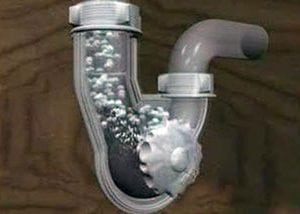
Calcium carbonate is one of the main minerals behind hard water scale. When hard water is heated or left to dry on surfaces, calcium carbonate can separate from the water and stick to metal, glass and plumbing parts. That’s why you may see a white, chalky crust on faucets, showerheads and inside appliances.
Over time, this buildup can narrow pipe openings, reduce water flow and make water heaters work harder than they should. It can also leave spots on dishes and add to soap scum problems. Catching this buildup early can help protect plumbing and improve overall water quality.
When to Call a Plumber
If you’re seeing buildup on fixtures, poor hot water performance or other signs, it may be time for a professional inspection.
A plumber can help determine whether hard water is affecting your home and recommend the right next step. That might include maintenance, fixture cleaning, water heater service or a long-term treatment option.
Understanding the reason for hard water is the first step. Once you know what’s causing it, you can make better choices for your plumbing system.
At Zierman Plumbing & Heating, we believe homeowners deserve clear answers and honest solutions. If hard water is creating problems in your home, our team’s here to help you keep your system working the way it should.